
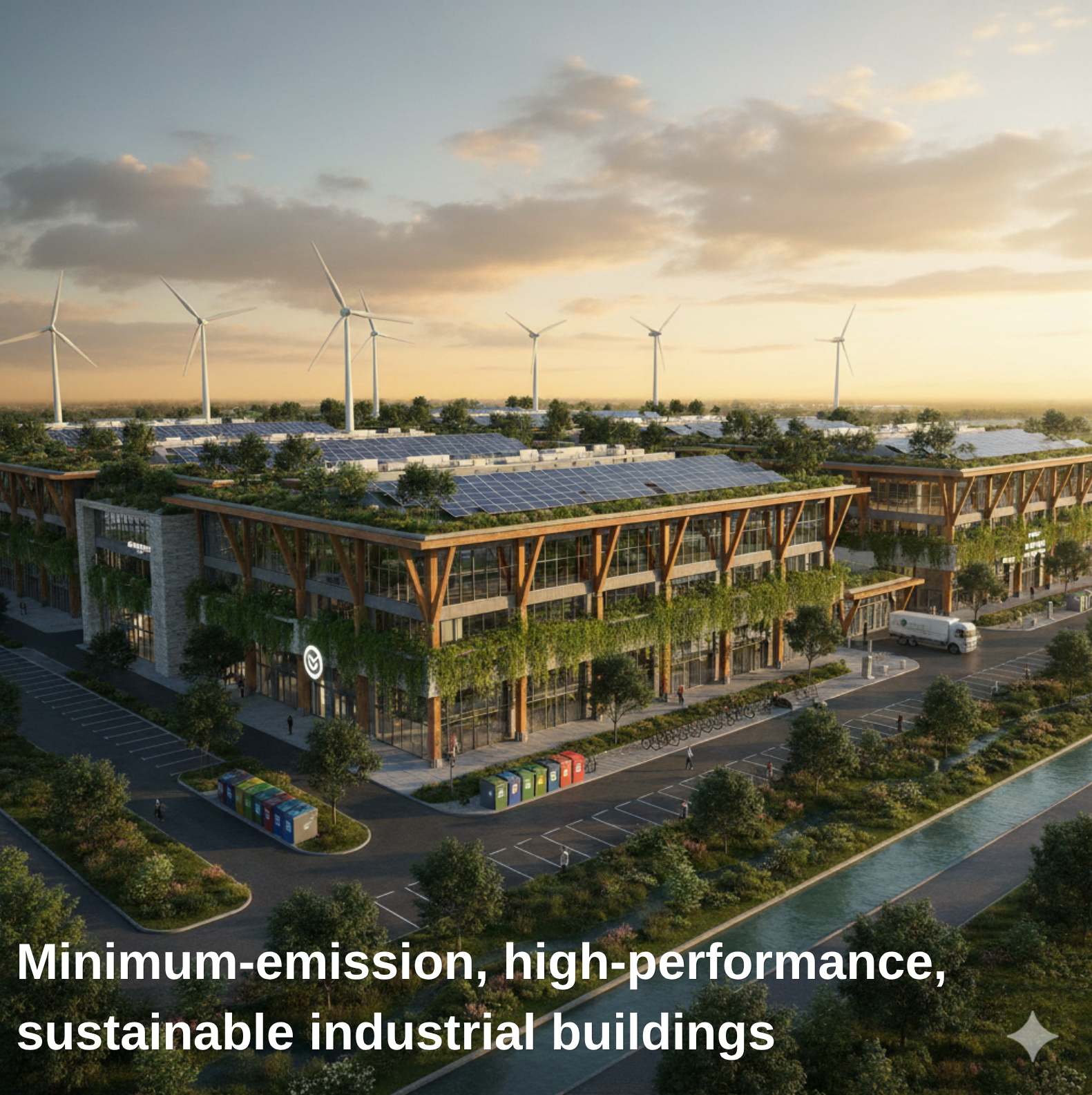
Nine buildings from Europe, Asia and the Middle East were recognised at COP31 for demonstrating excellence in sustainable design, energy efficiency and climate performance. Not a single winner came from Africa.
That absence should concern us.
The recognition came through the International Sustainable Buildings Competition, unveiled at COP31 and jointly convened by the UNEP-hosted Global Alliance for Buildings and Construction and the COP31 Türkiye Presidency. The competition combines two award streams: the YeS Honor Awards, which celebrate excellence in sustainable building design, construction and management, and the World Championship for Energy Savings, which recognises buildings that can demonstrate measurable reductions in energy consumption and emissions through verified performance data.
Yet when the world gathered in Antalya to celebrate climate-smart buildings, Africa was missing from the winners’ list.
The awards recognised projects that delivered measurable results. An Irish university building achieved verified energy savings of 40.5%, while a garment factory in Bangladesh reduced operational carbon dioxide emissions by 78%. Other winners demonstrated passive cooling, natural ventilation, solar energy integration and innovative building management approaches.
Africa is urbanising faster than most regions of the world. Millions of homes, offices, schools, hospitals and commercial buildings will be constructed over the coming decades. The decisions we make today about building materials, energy use, cooling systems and design standards will shape our emissions, energy demand and climate resilience for generations.
The lesson is not that Africa lacks innovation.
Across the continent, there are architects, engineers, developers and institutions designing environmentally responsible buildings. From green-certified commercial developments to climate-responsive architecture that reduces dependence on mechanical cooling, promising examples already exist.
The bigger question is whether we are scaling, measuring and showcasing these successes effectively.
Buildings account for more than a third of global energy demand and greenhouse gas emissions, making them one of the most important frontiers in the climate transition. Yet discussions about climate action in Africa often focus on energy generation, transport and conservation, while the built environment receives less attention.
That needs to change.
As African cities continue to expand, sustainability must become a central consideration in how we design and operate buildings. Energy-efficient buildings reduce costs, strengthen resilience, improve occupant comfort and lower emissions.
COP31’s building awards should not simply be viewed as a celebration of global best practice. For Africa, they should serve as a challenge.
If the continent is serious about sustainable development, future global green building awards should not merely include African projects. They should feature African buildings that set the benchmark for the world.