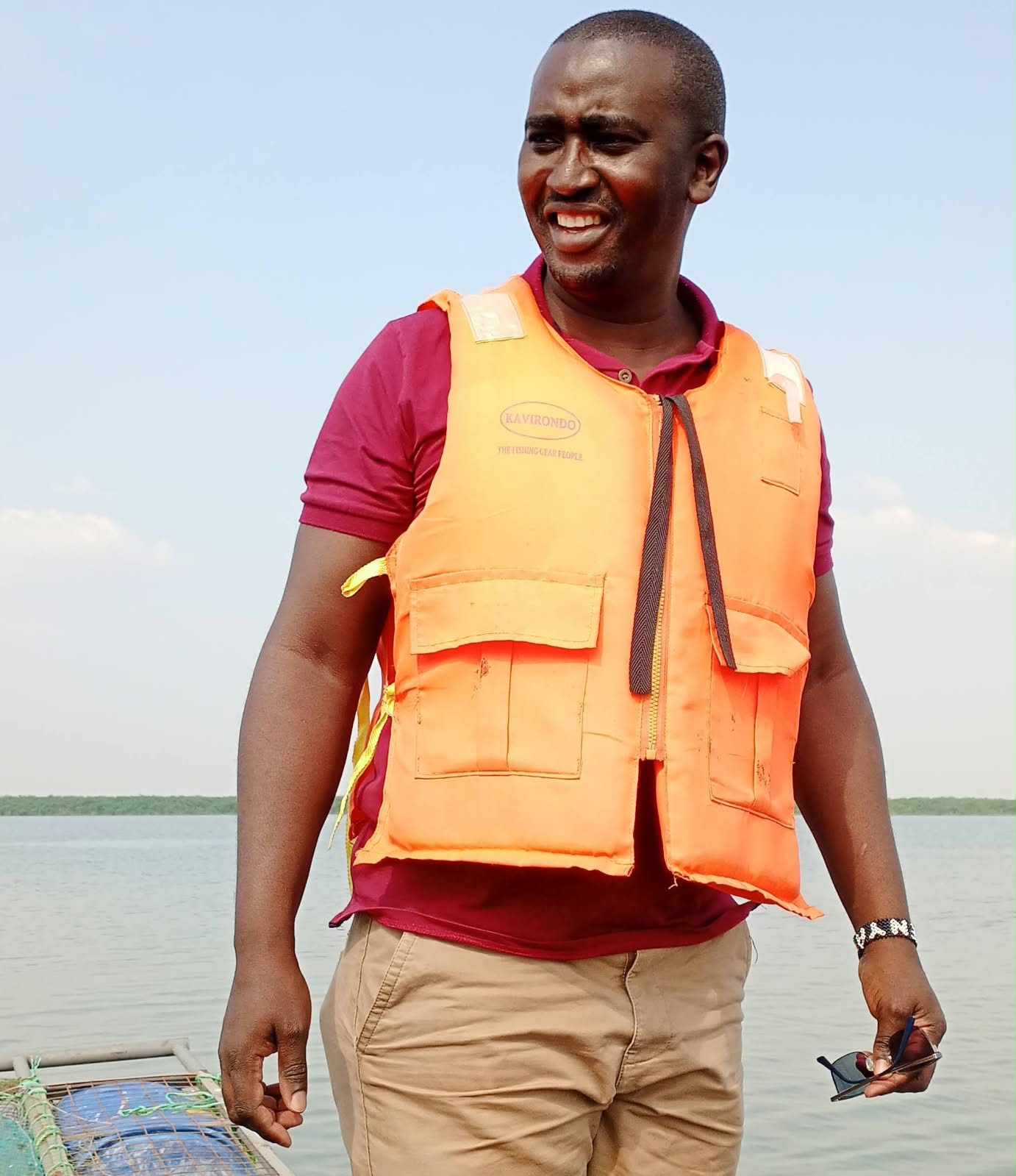
A sustainability champion standing beside a river notices something unusual. The water level is lower than it was a month ago. They take a photograph, capture the location using a smartphone and upload the observation. Elsewhere, another champion documents a freshly cleared section of forest. Another reports wetland encroachment. Someone else flags an expanding illegal dumpsite.
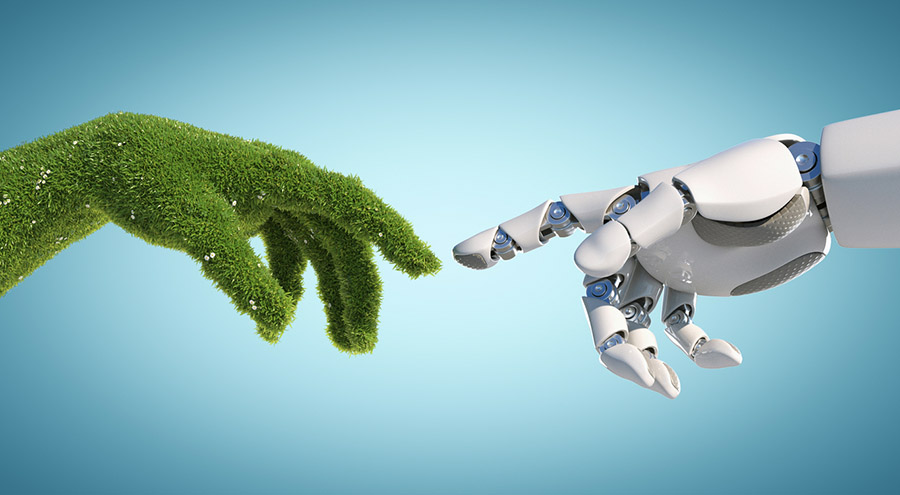
Individually, these observations may seem insignificant. Combined with artificial intelligence, satellite imagery and mobile technology, they could form the foundation of a powerful environmental early-warning system.
Across Kenya and Africa, environmental degradation is often detected long after the damage has occurred. Regulators cannot monitor every river, wetland, forest or dumpsite. Researchers cannot be everywhere. Yet sustainability champions and community members are already present in these environments every day.
What if they became a distributed network of environmental observers?
Using a simple reporting platform, champions could upload photographs, locations and short descriptions of environmental changes. AI could help classify reports, analyse images, organise geographic information and identify recurring patterns. Multiple reports about declining river levels, increased soil erosion or illegal dumping in the same area could be flagged for further review.
The real value emerges when local observations are combined with satellite data. Platforms such as the Copernicus Sentinel programme and Google Earth Engine already make it possible to monitor changes in vegetation cover, water bodies, wetlands and land use. A reported case of deforestation could be checked against satellite imagery. A drying river could be analysed alongside broader catchment changes. Ground observations and satellite verification could reinforce one another.
This presents an opportunity for the Sustainability Champions Network to explore a pilot environmental intelligence initiative across selected counties. Sustainability champions would not replace scientists, inspectors or regulators. Rather, they could help generate timely environmental evidence that supports better decision-making.
County governments, conservation organisations, researchers and environmental regulators could all benefit from faster access to local environmental insights. Of course, challenges remain. Citizen reports may be inaccurate, AI can make mistakes and satellite imagery has limitations. Human verification would remain essential.
However, the opportunity is clear. Sustainability champions have traditionally focused on awareness creation and advocacy. AI offers an opportunity to go a step further, contributing to continuous, evidence-based environmental monitoring. In an era of growing environmental pressures, early detection may be one of the most valuable forms of sustainability action.