Occupational safety and health (OSH) is often treated as a regulatory obligation or an operational cost. But as businesses grow, diversify and adopt new technologies, protecting workers increasingly becomes a question of business resilience and sustainability.
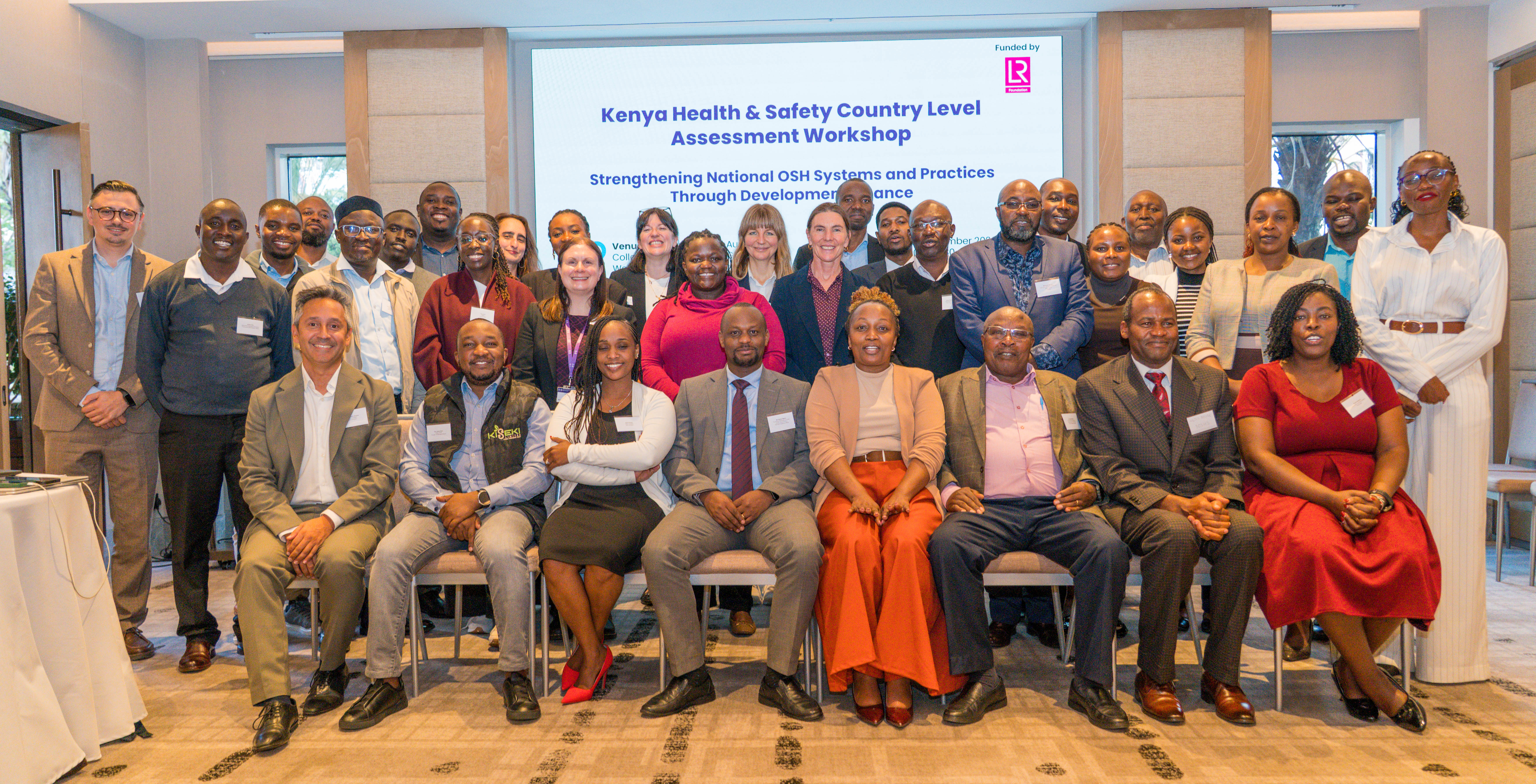
This was among the broader questions explored during a two-day country-level occupational safety and health assessment workshop held in Nairobi on 18–19 November 2026, bringing together regulators, development finance institutions, technical experts and other stakeholders to examine Kenya’s OSH systems and emerging workplace risks.
Led by the Institute of Occupational Safety and Health (IOSH) country pilot, with financial support from the Lloyd’s Register Foundation, the workshop sought to validate Kenya’s national OSH baseline, test a diagnostic tool and identify systemic gaps and opportunities for strengthening workplace safety. Discussions also examined how occupational safety considerations could be better integrated into investment financing.
The exercise matters as Kenya pursues industrialisation, infrastructure development, manufacturing growth and new technologies, all of which are reshaping workplaces and introducing new risks.
For emerging businesses, particularly those in manufacturing, food processing, construction, repair services and the informal economy, investing in safer equipment, ventilation, protective gear and occupational health services may compete with immediate priorities such as stock, wages and market expansion.
Yet workplace injuries and occupational illnesses can disrupt operations, affect productivity and undermine business continuity. For enterprises dependent on a handful of skilled workers, an injury or illness can have consequences extending beyond the individual, affecting production, income and customer commitments.
This makes occupational safety more than a compliance issue. It is also a business sustainability consideration.
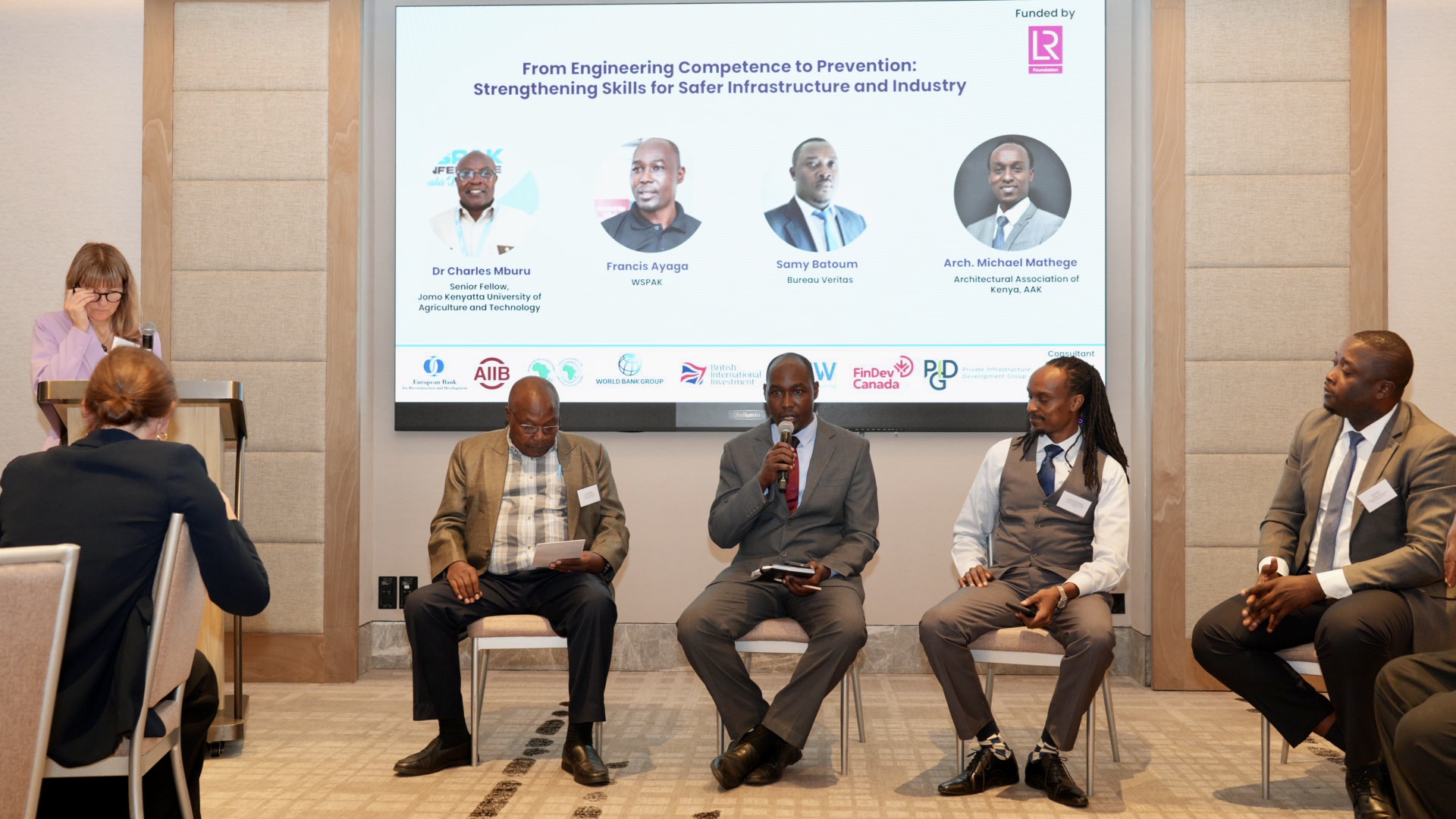
The workshop’s presentation of Kenya’s national OSH baseline and subsequent validation discussions sought to examine the system’s strengths, gaps, sector-specific risks and emerging challenges. A separate discussion on investment project financing explored how development finance institutions are strengthening environmental, social and occupational safety requirements within financed projects.
But the financing question extends beyond large investment projects.
Traditional lending often prioritises cash flow, collateral and repayment capacity. Investments in safer machinery, workplace assessments, improved ventilation, ergonomic equipment and occupational health services may not always be recognised as equally important business investments.
Financial institutions could explore financing packages that combine equipment acquisition with safety upgrades, partnerships with occupational health providers or incentives supporting measurable improvements in workplace safety.
Such approaches could particularly benefit small and informal enterprises, which may lack the resources or technical capacity to identify and address workplace hazards.
The workshop also examined future risks associated with technological transformation, climate and green-transition pressures, labour-market dynamics, informality and regulatory change, underscoring the need for prevention rather than reactive compliance.
As sustainable finance expands beyond traditional environmental investments, worker health and safety deserves greater consideration within enterprise sustainability assessments and business support programmes.
Sustainable businesses are not simply those that generate profits or reduce their environmental footprint. They must also protect the people whose labour sustains their operations.