
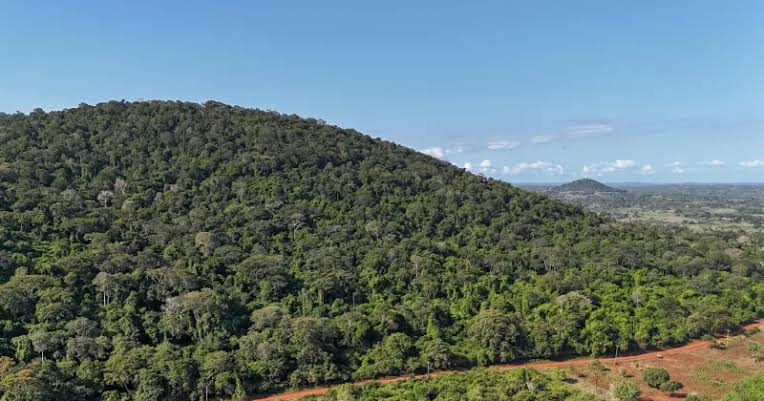
A US-led consortium has been selected as the preferred bidder to develop the KSh8.18 trillion Mrima Hill rare earths and niobium project in Kwale County, marking a significant milestone in Kenya’s efforts to unlock its strategic mineral resources.
The Ministry of Mining announced the selection of the Frontier Minerals Consortium, which brings together US-based companies ReElement Technologies, American Resources Corporation and Bunker Hill Silver Corp. The consortium emerged from a competitive process that attracted interest from investors across several countries seeking access to one of Africa’s most promising critical minerals deposits.
Mrima Hill is believed to contain substantial deposits of rare earth elements and niobium, minerals that are increasingly in demand for use in electric vehicles, electronics, renewable energy technologies and defence applications. The project has attracted international attention amid growing global competition for secure critical mineral supply chains.
Welcoming the government’s decision, Brad Barnett, Managing Member of the Frontier Minerals Consortium, said the group recognised the significance of the opportunity.
“We are honoured to have been selected by the Government of Kenya and recognise the responsibility that comes with developing a resource of such importance to Kenyans and global significance,” Barnett said.
The consortium said it would prioritise local value addition by establishing processing and refining capacity in Kenya rather than exporting minerals in their raw form. The approach aligns with the government’s push to increase domestic industrialisation and maximise economic returns from the country’s mineral resources.
In a statement posted on X on Friday, the US Department of State’s Bureau of African Affairs congratulated Frontier Minerals on its selection, describing the decision as evidence of Kenya’s commitment to transparent investment and responsible development in the mining sector.
The award does not amount to a mining licence. The consortium must still undertake community engagement, secure the necessary approvals and obtain prospecting licences before work can proceed at the site. The project is expected to face close scrutiny from local communities and conservation stakeholders given Mrima Hill’s environmental and cultural significance.