COP31 is once again reminding the world that carbon markets are as much about politics as they are about climate action.
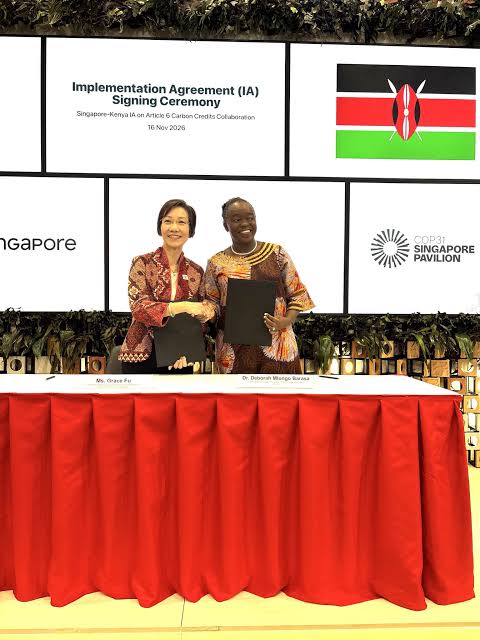
As countries table fresh climate commitments and negotiate the rules governing carbon trading under Article 6 of the Paris Agreement, new partnerships are emerging. Singapore’s recent carbon market agreements with Kenya and Zambia highlight Africa’s growing role in supplying carbon credits to meet global demand. Governments see opportunity. Investors see value. Project developers see scale.
Yet beneath the deals lies a familiar debate about sovereignty, benefit sharing, transparency and climate justice.
Who benefits from carbon markets? How much value remains within host countries? Are communities fairly compensated? Can carbon credits genuinely support emissions reductions, or are they becoming a licence for business as usual elsewhere?
These questions have no easy answers. They are inherently political.
For businesses, however, the focus should be elsewhere.
Companies cannot settle geopolitical debates or determine how countries negotiate carbon market frameworks. What they can influence is how they participate. That is where governance becomes critical.
Too often, corporate participation in carbon markets is reduced to offset purchases and tree-planting initiatives. While both have a role to play, stakeholders are increasingly demanding more. Investors want credible disclosures. Regulators want transparency. Communities want accountability. Consumers want proof that climate claims stand up to scrutiny.
Good governance means showing where carbon credits originate, how projects are verified and how offsets fit within broader decarbonisation strategies. It means treating carbon markets as one component of climate action rather than a substitute for reducing emissions. It also means demonstrating that environmental and social outcomes are measured, reported and independently assessed.
As carbon markets mature, credibility may become more valuable than the credits themselves.
The politics surrounding carbon markets will continue long after COP31 concludes. New agreements will be signed. New rules will be debated. New controversies will emerge.
But amid the political noise, businesses have an opportunity to strengthen trust in the system. Not through bigger offset purchases or ambitious headlines, but through transparency, accountability and good governance.
In the end, politics may shape carbon markets. Their long-term legitimacy will depend on whether participants can prove they are governed well.