Across Africa, business owners are navigating a growing list of uncertainties. Electricity bills are rising. Water supplies are becoming less predictable. Supply chains are facing new pressures from extreme weather events. At the same time, buyers are demanding higher environmental standards while lenders are paying closer attention to climate-related risks.
For many businesses, these concerns feel far more immediate than the discussions taking place at international climate conferences. Yet the reality is that the two are becoming increasingly connected.
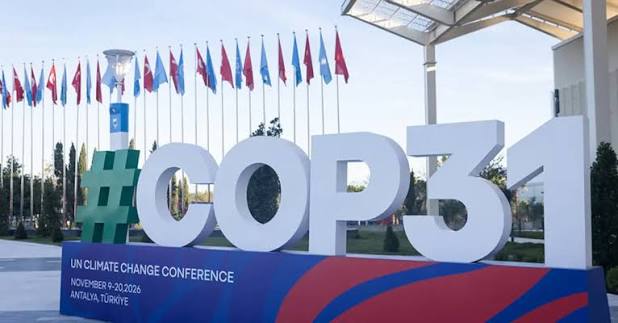
As delegates, governments and investors gather in Antalya for COP31, a bigger story is unfolding beyond the conference halls. The question is no longer whether sustainability matters for business. It is whether African firms are making the investments needed to remain competitive in an economy that is steadily moving in that direction.
For years, sustainability was often viewed as a corporate social responsibility initiative, a reporting requirement or a public relations exercise. That perception is rapidly changing. Increasingly, sustainability is showing up in places that business owners pay close attention to: operating costs, financing decisions and access to markets.
A manufacturer investing in energy-efficient equipment is not simply reducing its environmental footprint. It is lowering energy costs and protecting itself against future price shocks. An agro-processor introducing water-saving technologies is not chasing environmental credentials. It is responding to the reality of increasing water stress. A hotel reducing resource consumption is not acting out of goodwill alone. It is managing costs and improving operational efficiency.
These investments require capital. They also require businesses to understand their own operations. Measuring energy use, tracking waste streams and improving resource efficiency may not attract headlines, but these are often the first steps towards building more resilient and competitive enterprises.
This is where the conversation at COP31 becomes relevant. Among the key themes dominating discussions are industrial decarbonisation, sustainable food systems and financing mechanisms for businesses in emerging markets. While such topics can seem far removed from day-to-day operations, their significance lies in how they influence investment flows and lending decisions across the global economy.
Kenya is already experiencing this shift. The Kenya Bankers Association, working with partners such as the International Finance Corporation and WWF-Kenya, has developed frameworks to help integrate climate risk and sustainability considerations into lending. The objective is not to restrict access to finance, but to encourage investments that strengthen business resilience and long-term profitability.
Yet financial institutions cannot drive this transition alone. Businesses must bring forward viable projects and demonstrate their ability to manage emerging risks. For many small and medium-sized enterprises, this does not require expensive certifications or sophisticated sustainability reports. It begins with understanding where resources are being wasted, where costs can be reduced and where efficiency can be improved.
The opportunity for African businesses lies in recognising sustainability for what it increasingly is: a business investment. Companies that reduce waste, improve efficiency and strengthen resilience are often the same companies that become more attractive to financiers, buyers and investors.
The debate around sustainability has evolved considerably over the past decade. Today, the conversation is less about environmental commitments and more about competitiveness. As global markets continue to change, the businesses that position themselves early may find themselves better prepared for the opportunities and challenges ahead.
Ultimately, sustainability is becoming a capital allocation decision. The question facing African businesses is not whether the transition is happening, but whether they are investing early enough to benefit from it.