
Kenya’s agricultural sector has considerable potential to contribute more to the country’s industrial development. Yet, despite being a major producer of agricultural commodities, the country continues to face the challenge of capturing greater economic value from its produce before it reaches international markets.
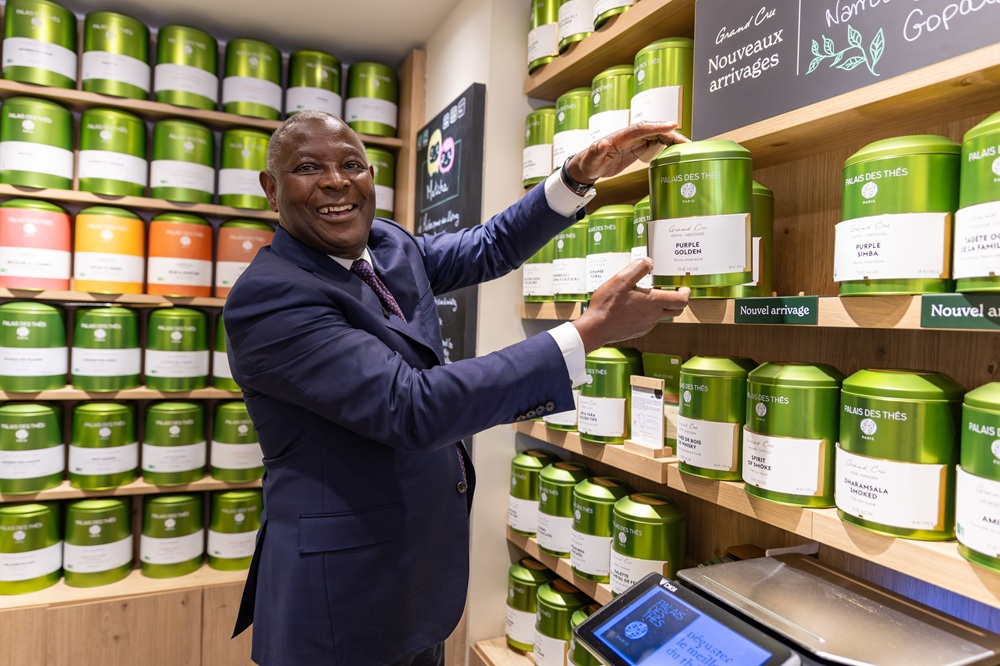
The unveiling of Murang’a Purple Tea in Paris, France, on June 23, 2026, presented an interesting opportunity to reconsider this challenge. Beyond introducing a distinctive Kenyan agricultural product to premium international consumers, the development raised a bigger question about how local processing and product innovation can strengthen Kenya’s agricultural competitiveness while supporting sustainable production.
The showcase at Hôtel de Crillon followed an agreement involving Gatanga Industries, French specialty tea company Palais des Thés and Equity Group, announced during the Africa Forward Summit. The partnership seeks to expand market access for Kenyan specialty tea.
But the opportunity extends beyond securing a place in European premium markets. It is also about how much value Kenya can retain through processing, branding, packaging and developing new products from its agricultural resources.
Local processing, in particular, presents an important sustainability opportunity. When agricultural produce undergoes more processing closer to its source, countries can potentially reduce the transportation of bulky raw or semi-processed materials over long distances. More importantly, investment in domestic processing can create opportunities to adopt energy-efficient technologies, renewable energy, better water management and systems for recovering agricultural waste.
For Kenya, this could mean developing agro-processing facilities that deliver both economic returns and measurable environmental benefits. However, local processing alone does not guarantee sustainability. Energy sources, water consumption, wastewater treatment, packaging and production waste must all be considered.
There is also the question of farmers. Premium markets often demand products with traceable origins, consistent quality and distinctive characteristics. Geographical Indication (GI) protection, which Kenya is pursuing for its Purple Tea, could help strengthen product identity and market differentiation.
However, the ultimate test will be whether the additional value generated in international markets translates into better returns for producers and stronger rural economies.
The use of Kenyan Grand Cru tea in premium chocolate presented at the G7 Summit in Évian, France, also illustrates the potential for agricultural products to enter new manufacturing and consumer markets.
Kenya therefore has an opportunity to look beyond Purple Tea. Can the same approach be extended to coffee, macadamia, avocado and other agricultural products?
The bigger question is whether Kenya can turn agricultural value addition into a more deliberate industrial strategy, one that retains economic value locally while embedding environmental responsibility into production.
For farmers, manufacturers and policymakers, the Paris debut could be more than a marketing milestone. It could be an opportunity to rethink how Kenya produces, processes and competes in global agricultural markets.