
Bamburi Cement wants the government to incorporate emissions performance into public procurement and green finance rules to accelerate the use of low-carbon cement.
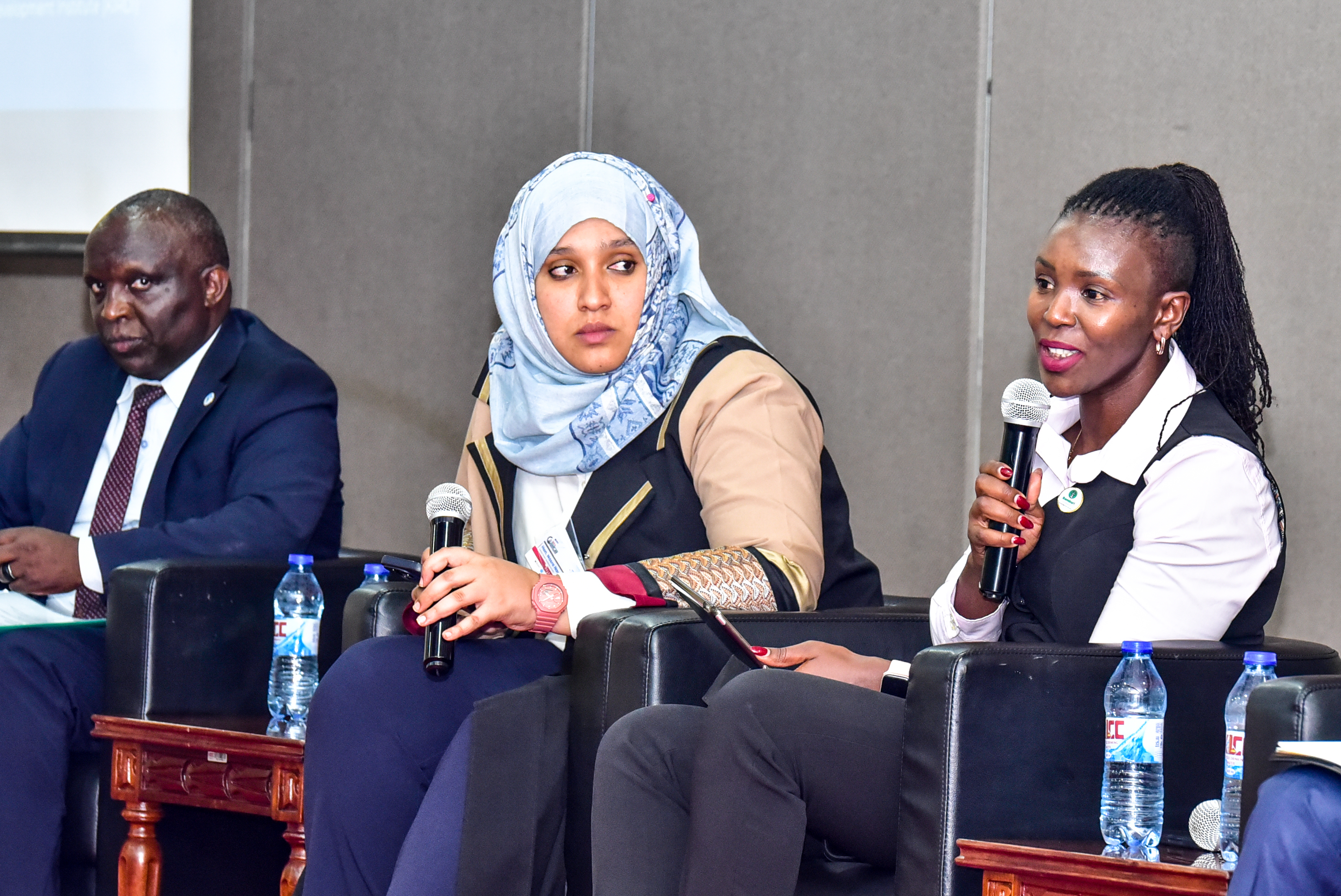
Speaking at the Kenya Industrialisation Summit 2026, Sustainability and Corporate Affairs Director Eng. Jane Wangari said procurement specifications that reward lower-carbon cement would encourage adoption. She also proposed including the products in the Central Bank of Kenya’s Green Finance Taxonomy.
The push comes as Kenya expands infrastructure investment. Cement production, particularly clinker manufacturing, is emissions-intensive, making lower-carbon alternatives important in reducing the embodied carbon of roads, bridges, dams and buildings.
Bamburi says its locally manufactured DuraCem, a 42.5-grade cement for large-scale and marine construction, uses alternative fuels including rice husks and waste tyres. The company claims it produces 64 per cent less CO₂ than ordinary Portland cement, saving about 25kg per 50kg bag. It estimates that its use in Mombasa’s Makupa Bridge saved more than 10 million kilogrammes of CO₂.
Wider adoption, however, will depend on procurement rules, technical standards and transparent emissions reporting. Bamburi is advocating for verified Environmental Product Declarations (EPDs) to help buyers compare the carbon intensity of cement products.
The company is also pursuing a supply opportunity of more than one million tonnes of cement for the proposed Dangote refinery and petrochemical zone in Lamu. Meanwhile, a US$250 million contract with Sinoma CBMI will see it develop a 1.6-million-tonne clinker plant in Matuga, Kwale County.
The expansion is expected to raise Bamburi’s annual clinker capacity from one million to 2.6 million tonnes and cement capacity from 1.8 million to four million tonnes, highlighting the challenge of growing domestic cement production while reducing its environmental footprint.