
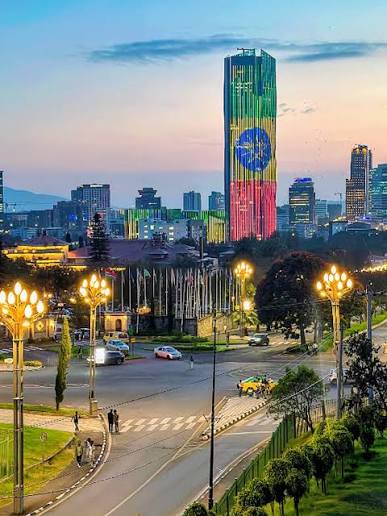
Africa will host a UN climate summit for the sixth time when COP32 heads to Addis Ababa in Novemer 2027. By then, the continent will have spent decades at the centre of climate conversations while remaining at the periphery of climate finance, technology transfers, and decision-making.
That disconnect should define the agenda.
The significance of COP32 is not that it is returning to Africa. The significance is that Africa has hosted enough climate summits to move beyond symbolism and start asking harder questions about delivery.
For years, climate diplomacy has been driven by ambitious declarations, billion-dollar pledges, and headline-grabbing commitments. Yet many African countries continue to face the same challenges: limited adaptation finance, growing climate vulnerability, and difficulty accessing funds that are repeatedly promised on international stages.
By the time delegates arrive in Addis Ababa, discussions should be less about new commitments and more about whether existing promises have translated into real projects on the ground. Communities facing drought, floods, food insecurity, and water shortages cannot build resilience on announcements alone.
The conference should also confront another reality. As demand for carbon credits grows, Africa is becoming an increasingly important supplier of offsets and nature-based climate solutions. Governments are signing carbon market agreements. Corporations are purchasing credits to meet climate targets. Investors are looking to the continent as a source of climate assets.
But carbon markets are becoming as political as they are environmental.
Questions around land rights, community benefits, transparency, and sovereignty are growing louder. COP32 presents an opportunity to shift the conversation from the volume of deals being signed to the quality of governance behind them. Without credible systems, carbon markets risk creating new tensions instead of delivering climate and development benefits.
Equally important is the question of industrialisation. Africa holds many of the critical minerals needed for the global energy transition, from battery minerals to rare earth elements. Yet the continent still risks remaining a supplier of raw materials while value creation happens elsewhere.
The transition to a low-carbon economy cannot simply replace one extractive model with another. Climate policy must support local processing, manufacturing, and job creation if the transition is to deliver meaningful economic gains.
COP32 should not be remembered as another African-hosted climate conference. It should be remembered as the summit that shifted the focus from promises to implementation, from carbon politics to governance, and from resource extraction to value creation.
Africa has had enough climate pledges. Addis Ababa must be about results.